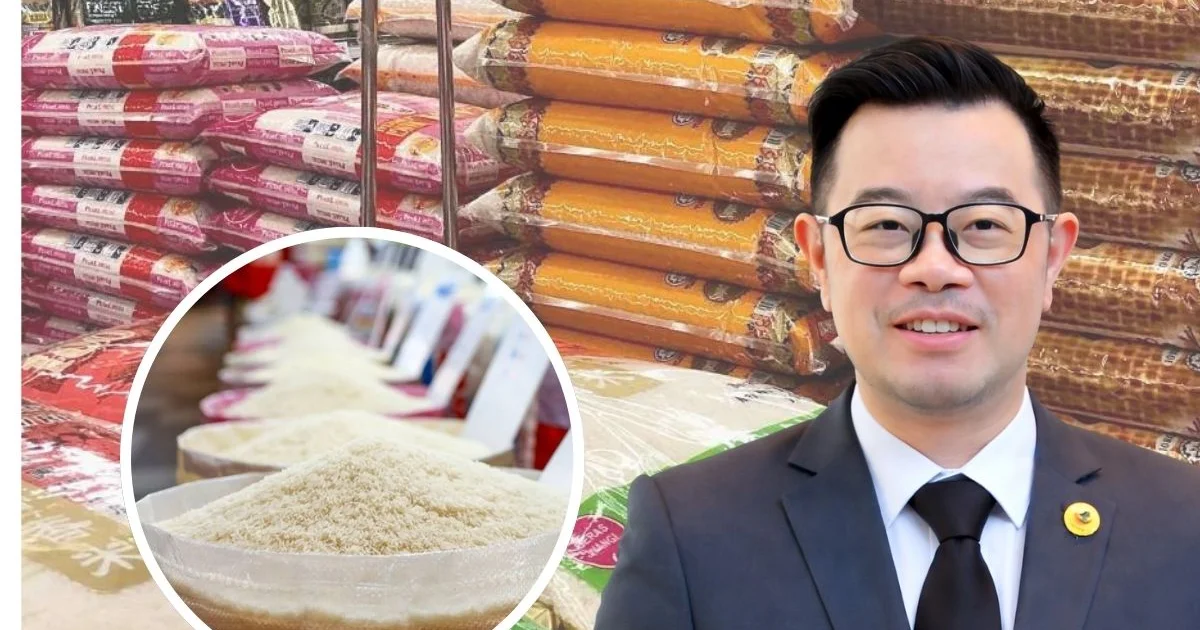
PRESS RELEASE: Rice Panic Shows Trust Gap — Govt Must Act on Sabah Food Security
KOTA KINABALU, 5 April 2026 — Warisan Supreme Council Member Chen Ket Chuin has hit back at Deputy Minister of Agriculture and Food Security and Kota Kinabalu MP Chan Foong Hin, saying the recent rice panic buying in Sabah would not have occurred if the public had full confidence in the government’s ability to ensure a stable and reliable supply.
“If Sabahans are confident that rice is readily available, there will be no panic buying. What we are seeing today is not misinformation — it is a crisis of confidence grounded in reality,” he said.
Restore Confidence Through Action, Not Reassurance
Chen urged the government to stop downplaying the issue and instead provide transparent, verifiable data.
He warned that assurances without data will only further erode public trust.
Chen stressed that even if there is no immediate shortage, the underlying issue remains unresolved.
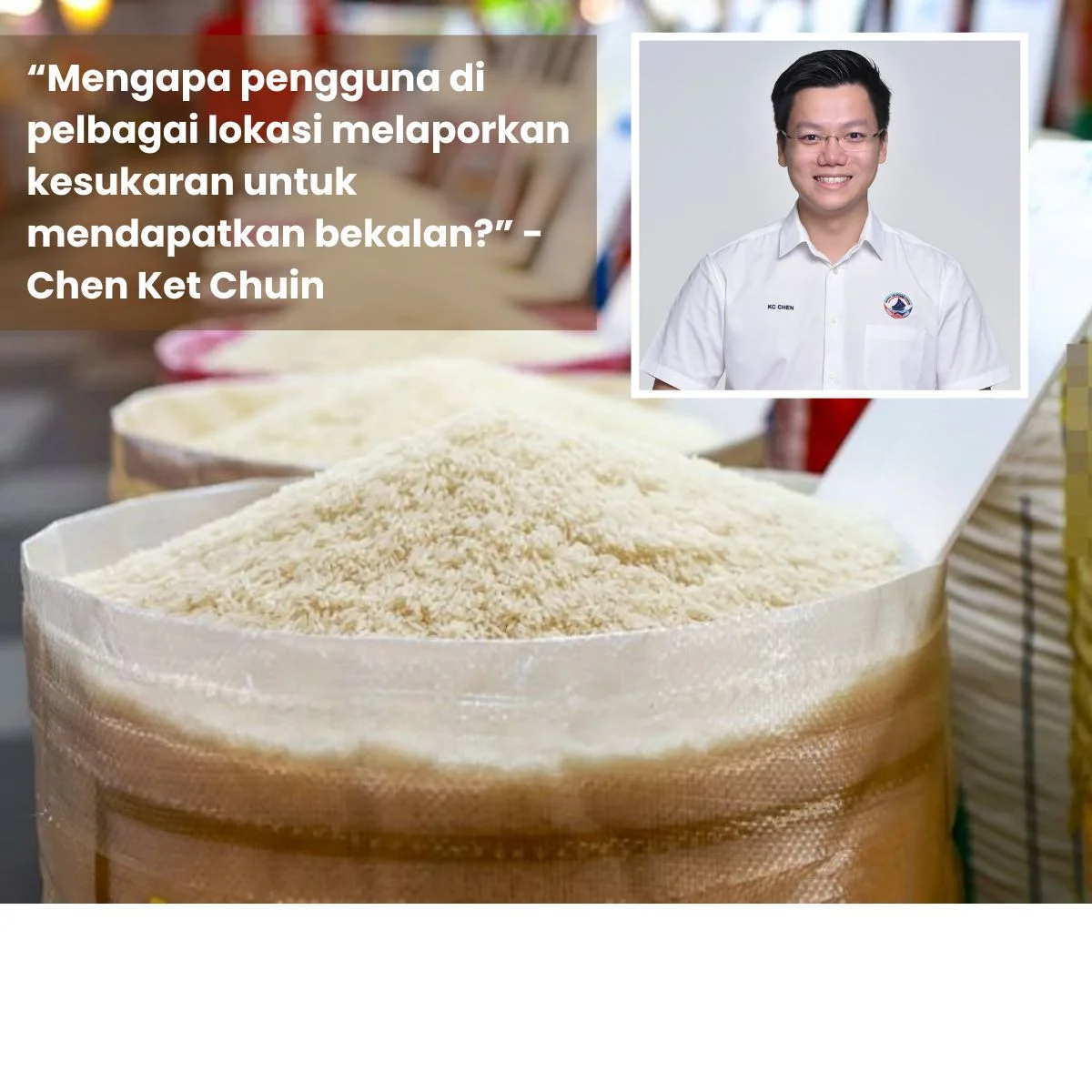
“If the government insists that supply is sufficient, then it must come clean. How much rice stock is currently available in Sabah? How is it distributed across districts, especially in rural areas? Why are consumers in multiple locations reporting difficulty in obtaining supply?”
“Sabahans are not panicking without reason — they are responding to a system they no longer fully trust. The real issue is not supply alone, but confidence — and confidence must be earned through transparency, preparedness and decisive action," he stressed.
Come Clean with the Data
He called on Chan to provide clear and reliable information to the public.
“The Deputy Minister must inform Sabahans of the actual rice stock levels in the state. If supply is indeed sufficient and the facts are made clear, panic buying will not happen — it is as simple as that," he stressed.
He added that even if there is no immediate shortage today, the deeper failure remains — a lack of long-term strategy to secure our food future.
“Sabahans do not need lectures about panic. They need leadership, foresight and real solutions,” he said.
He said the episode reflects deeper concerns over food security amid ongoing global supply chain disruptions.
Chen continued that both the Federal and State Governments must treat the situation as a serious wake-up call.
“This is a clear and urgent reminder that more must be done to strengthen Sabah’s food security. Confidence cannot be demanded — it must be built through consistent and credible action," he said.
Long-Standing Structural Weakness
Chen pointed out that Sabah’s food security vulnerabilities are long-standing and real, noting that the state produces only about 22.8 per cent of its rice needs and remains heavily dependent on imports.
“This did not happen overnight. Sabah has long been exposed due to overreliance on imported supply, logistical constraints, and sensitivity to fuel and transport costs.”
He added that rural communities are often the hardest hit, as they are typically the last to receive stable supply during disruptions.
Deputy Minister Cannot Distance Himself
Chen stressed that Chan, as both a current and former Deputy Minister in the agriculture and food security portfolio, cannot distance himself from the issue.
“This is not new — it is the result of long-standing structural neglect. As a senior policymaker, he should address the root causes instead of dismissing public concerns.”
Policy Failure Behind Food Vulnerability
Chen said Malaysia — including Sabah — has the resources to produce more food but remains overly dependent on imports.
“This is not a limitation of capacity, but a failure of policy. When global oil prices rise, transport and import costs increase — and the rakyat bears the burden.”
“The real question is: why has this vulnerability been allowed to persist despite having the means to fix it?” he questioned.
He stressed that food security requires decisive and sustained reforms:
- Expanding domestic food production
- Providing meaningful support and incentives to farmers
- Strengthening storage, processing and distribution systems
- Fully utilising agricultural land
“Without these reforms, Malaysia will remain exposed to external shocks and recurring supply anxieties," he concluded.
Chen Ket Chuin @ KC
Warisan Supreme Council
5 April 2026