MEDIA STATEMENT:
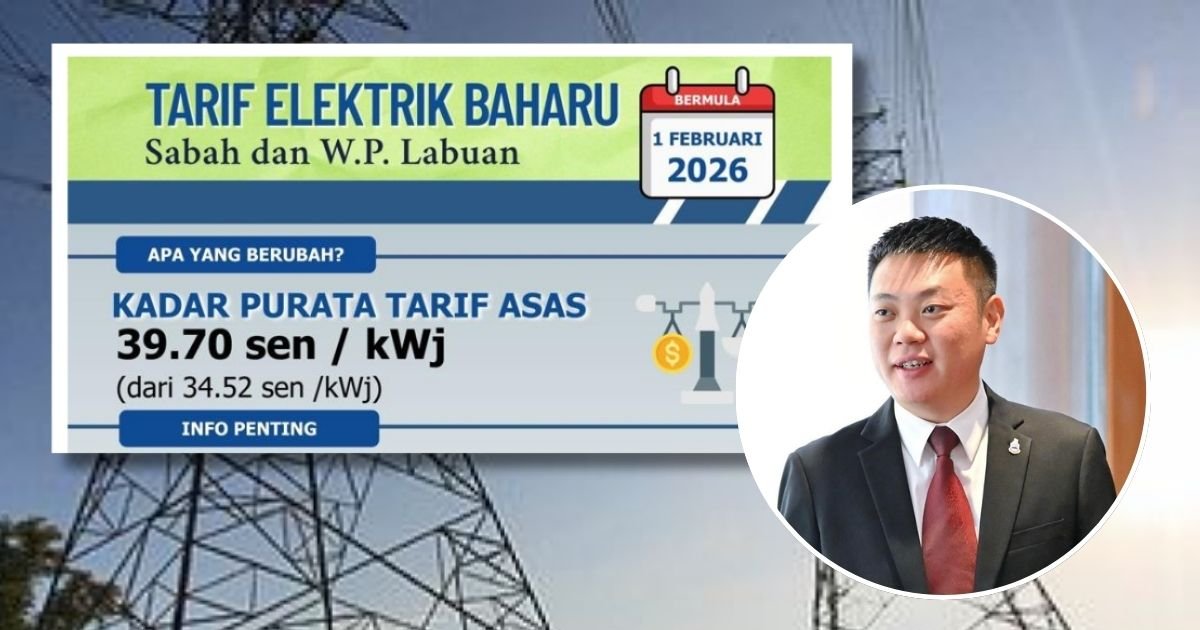
6 FEBRUARY 2026 - SESB Electricity Tariff Increase: Poor Timing,
Weak Consultation, Real Economic Risks for Sabah
I
wish to express my deep disappointment over the recent decision by
Sabah Electricity Sdn Bhd (SESB) to increase electricity tariffs in
Sabah and Labuan.
To
be clear, this is not an objection to tariff rationalisation per se.
It is widely understood that over time, operational, maintenance and
development costs for essential utilities will rise. Warisan does not
oppose rational cost recovery when it is implemented transparently,
responsibly and with due consideration for economic conditions.
What
is deeply concerning, however, is the manner in which this tariff
increase was introduced — hastily and without adequate lead time
for consumers and businesses to prepare.
At
the very least, the State Cabinet should have insisted on a
reasonable transition period of no less than six months before any
tariff adjustment took effect. This is particularly critical for
small and medium enterprises (SMEs), especially those in the food and
beverage sector, hawkers and micro-enterprises which are heavily
dependent on electricity for cold storage, refrigeration and
air-conditioning. These businesses require time to review pricing
structures, absorb cost pressures and plan their cash flows.
Electricity
is a universal input cost. Even a marginal increase in tariffs has a
cascading effect across the economy, much like increases in petrol or
diesel prices. Poorly timed electricity hikes therefore carry a
genuine risk of inflation, directly affecting both businesses and
consumers.
This
decision comes at a particularly difficult time for Sabah’s
business community, which is already burdened by high operating
costs, multiple layers of taxation, weak domestic demand and low
purchasing power among Sabahans.
Unlike
Selangor, Johor, Penang and Sarawak that have stronger and more
resilient domestic economies, Sabah continues to grapple with
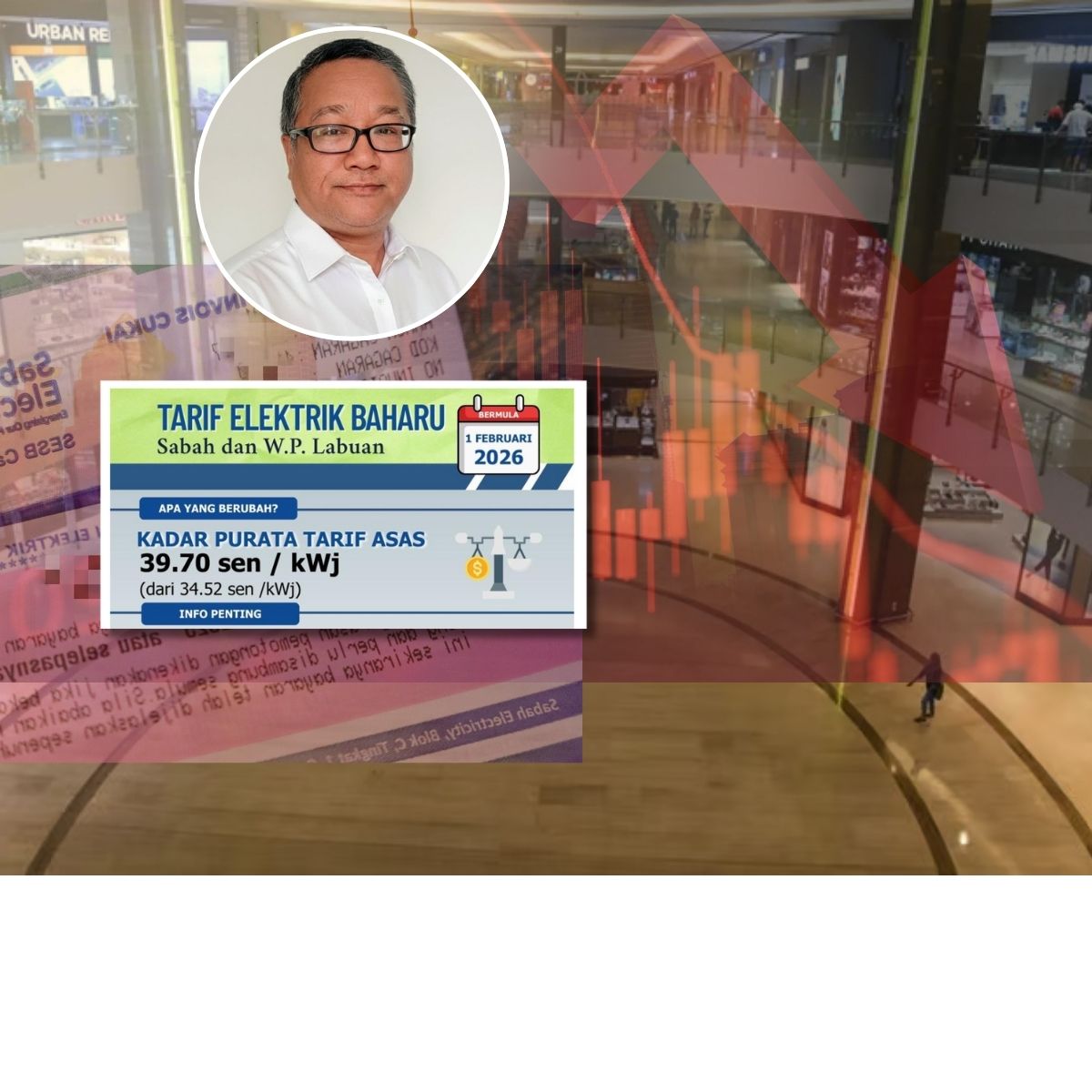
structural economic fragility. This reality is reflected in weak
business turnover and persistently low retail occupancy rates across
many towns and cities in the state.
Any
ill-timed or inadequately consulted policy decision affecting key
investment enablers such as electricity tariffs risks undermining
business sustainability, discouraging investment and weakening job
creation.
This
development therefore raises a fundamental question of governance and
accountability:
Was
the State Cabinet, particularly the Minister in charge, informed in
advance of this tariff increase? If so, did the Minister request a
postponement to allow proper engagement with affected stakeholders?
If not, this raises serious concerns regarding oversight and
coordination.
A
responsible State Cabinet must prioritise the protection of Sabah’s
domestic economy, particularly the SMEs, which form the backbone of
employment and economic activity in the state.
While
the GRS administration may continue to highlight GDP figures and
state revenues (derived from commodity exports, petroleum-related
taxes or interim payments under the 40% entitlement), these figures
do not reflect the economic reality of ordinary Sabahans. According
to the Department of Statistics Malaysia, Sabah recorded among the
lowest labour productivity levels in Malaysia in 2024, at
approximately RM84,039.
The
prevalence of underemployment and misemployment further underscores
the urgent need for carefully calibrated economic policies that
strengthen, rather than strain, the domestic economy.
As
a party official of Warisan, which has consistently maintained that
Sabah’s long-term economic strength lies in industrialisation,
downstream activities and the empowerment of SMEs and professionals,
I call upon the State Cabinet to immediately postpone the
implementation of this tariff increase.
Thereafter,
the State Government must engage meaningfully with all relevant
stakeholders to deliberate and reach a consensus on how the tariff
adjustment can be implemented gradually, transparently and
responsibly.
This
is not about politics. It is about livelihoods.
Sabah
deserves better planning, better consultation and better governance.
Christopher
Masudal
Strategic
Communication Director
Parti
Warisan