Questions on the Operation of the New Public Jetty: A Call for Clear Explanation from the Authorities
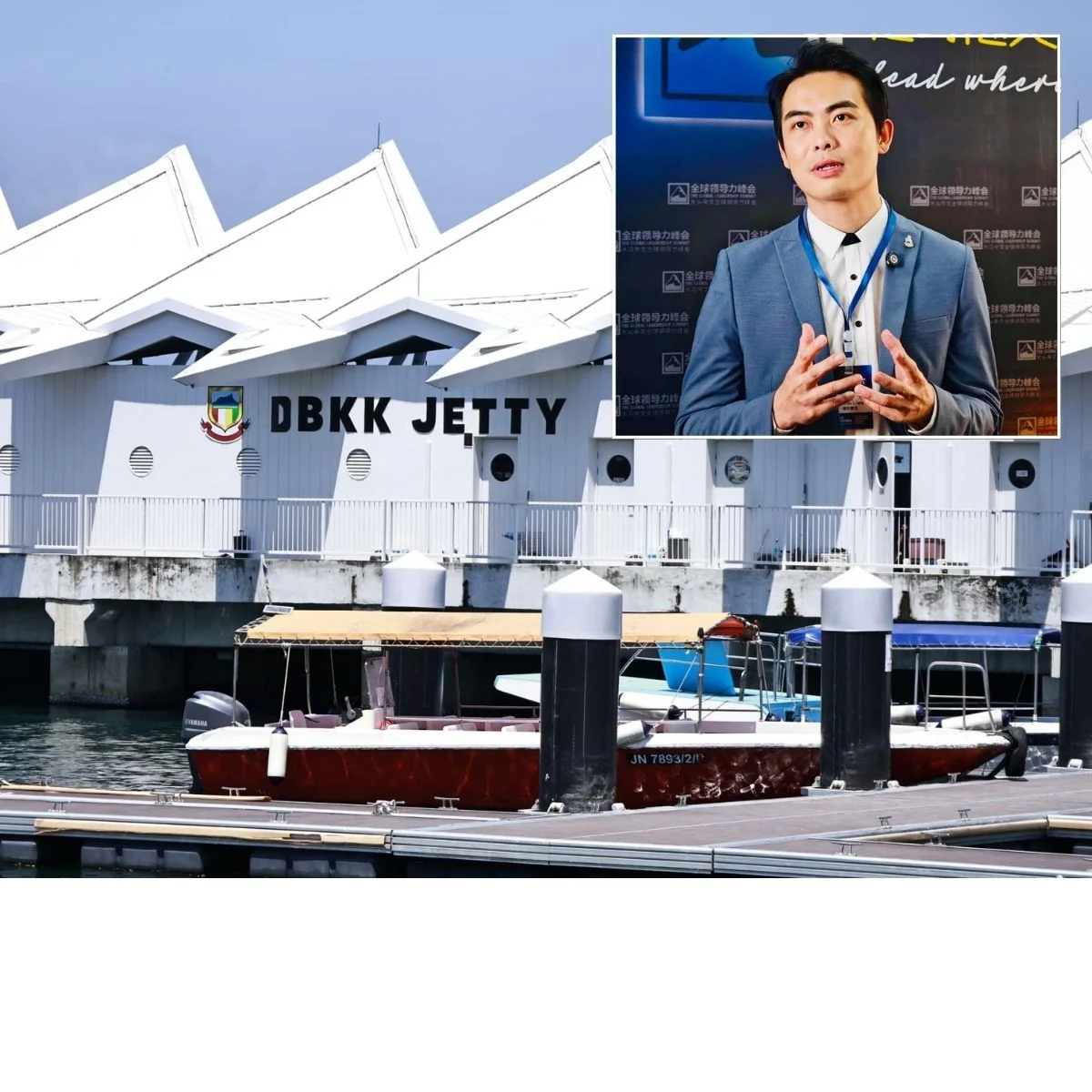
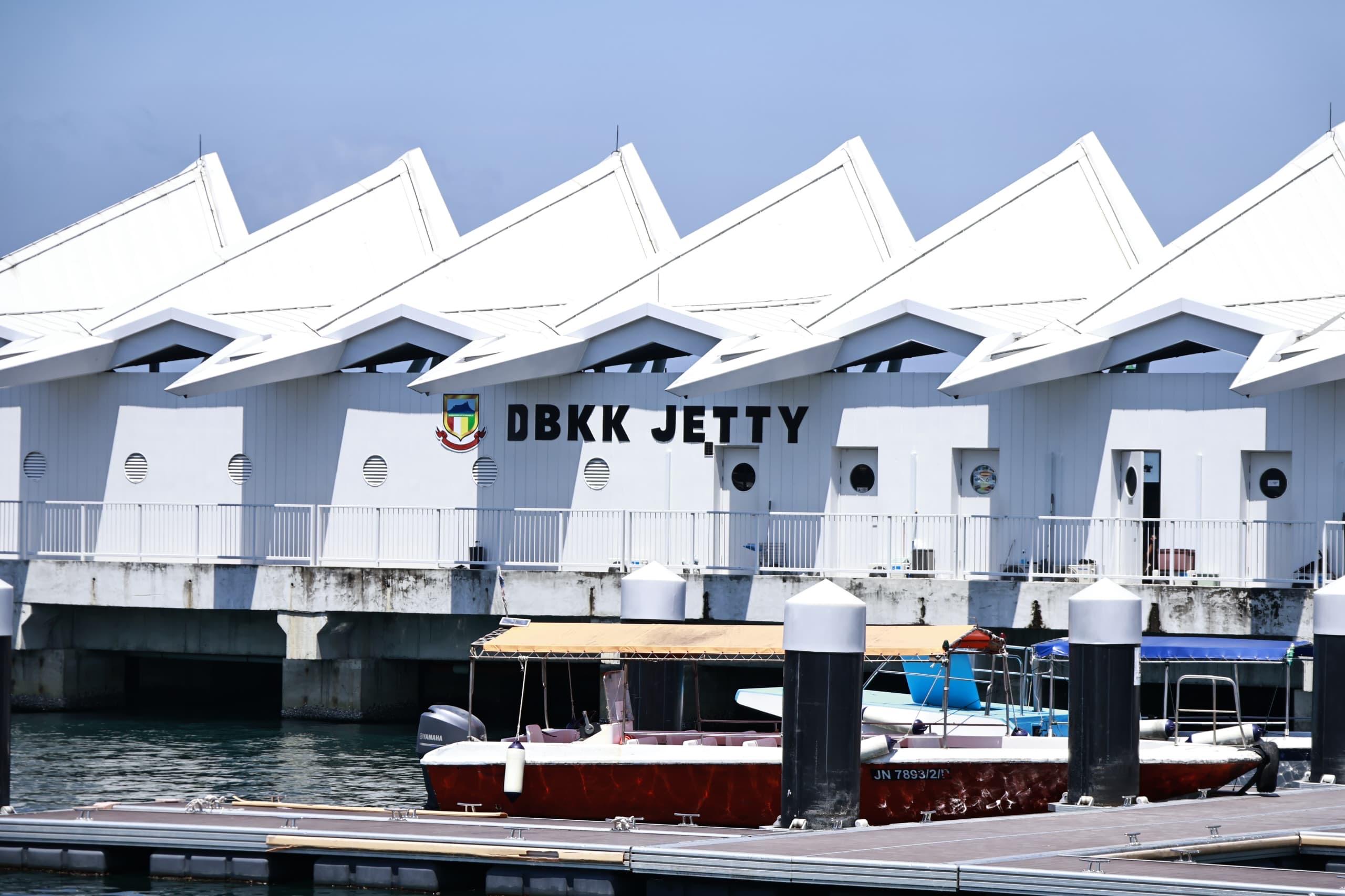
KOTA KINABALU: Api-Api State Assemblyman, Loi Kok Liang, stated that he has received various feedback from tourism industry players as well as the general public regarding the operation of the new public jetty under Kota Kinabalu City Hall (DBKK).
He said that the actual function and direction of the jetty’s usage remain unclear, causing confusion among stakeholders and the general public.
“I raise this matter not to blame any party, but to seek a clear explanation so that the public can understand the rationale and actual purpose behind this implementation,” he said.
According to him, tourism activities to the islands have long been concentrated at Jesselton Point Ferry Terminal, which is managed by Suria Capital Holdings Berhad and recognized as a dedicated jetty for tourism services.
“This terminal has been operating for a long time with clear monitoring and enforcement, basic facilities including a medical room, and compliance with safety standards, making it a structured and mature tourism platform,” he explained.
However, he noted that there have been recent reports of “touting” activities in the area, where tourists are approached and then brought to the DBKK jetty to board boats to the islands.
“This raises questions — whether such practices are safe, whether they affect Kota Kinabalu’s tourism image, and whether they are properly regulated,” he added.
He also expressed concern that the jetty, which was originally intended for public use, now appears to be functioning more as a tourism jetty.
“I personally conducted a site visit this morning and found that most counters are being used by tourism agencies to sell tour packages, while counters for public boat services are not clearly visible,” he said.
“The boats docking there are mostly carrying tourists, with very few or almost none providing services for regular passengers.”
He also mentioned that there is information on the ground suggesting that up to 10 additional counters may be allocated to tourism companies.
“This matter should be officially clarified by the authorities to avoid confusion,” he said.
From a public policy perspective, he stressed that facilities developed by local authorities, particularly public jetties, should prioritize public use, including residents of islands such as Gaya and surrounding areas.
“Therefore, it is reasonable for the public to question whether the direction of this jetty’s operation is increasingly leaning towards tourism activities, and possibly involving commercial elements,” he said.
“If so, then the policies, boundaries, and the role of the authorities in this matter must be clearly defined.”
He added that the situation also raises broader questions:
“Has the function of this public jetty changed?”
“If it is increasingly serving as a tourism jetty, what then is the role of Jesselton Point Ferry Terminal moving forward?”
“Will this situation create confusion among tourists and the general public?”
He emphasized that as the capital city of Sabah, urban planning and the management of public facilities in Kota Kinabalu must be carried out clearly, systematically, and in coordination among all relevant agencies.
In this regard, he called for clarification from the relevant authorities on the following matters:
• Why is DBKK seen to be involved in activities resembling tourism operations?
• Has the Ministry of Tourism been informed and agreed to this arrangement?
• Are the transport authorities or relevant agencies aware that the public jetty now appears to favor tourism use over public use?
“I believe every policy has its own rationale,” he said.
“However, when it involves the use of public resources, market roles, and the city’s image, transparency and clarity are crucial.”
He expressed hope that the authorities would provide appropriate clarification so that the public, industry players, and all stakeholders can understand the actual direction.
“With clarity, we can ensure that Kota Kinabalu continues to grow as a well-organized, safe, and professional city,” he said.