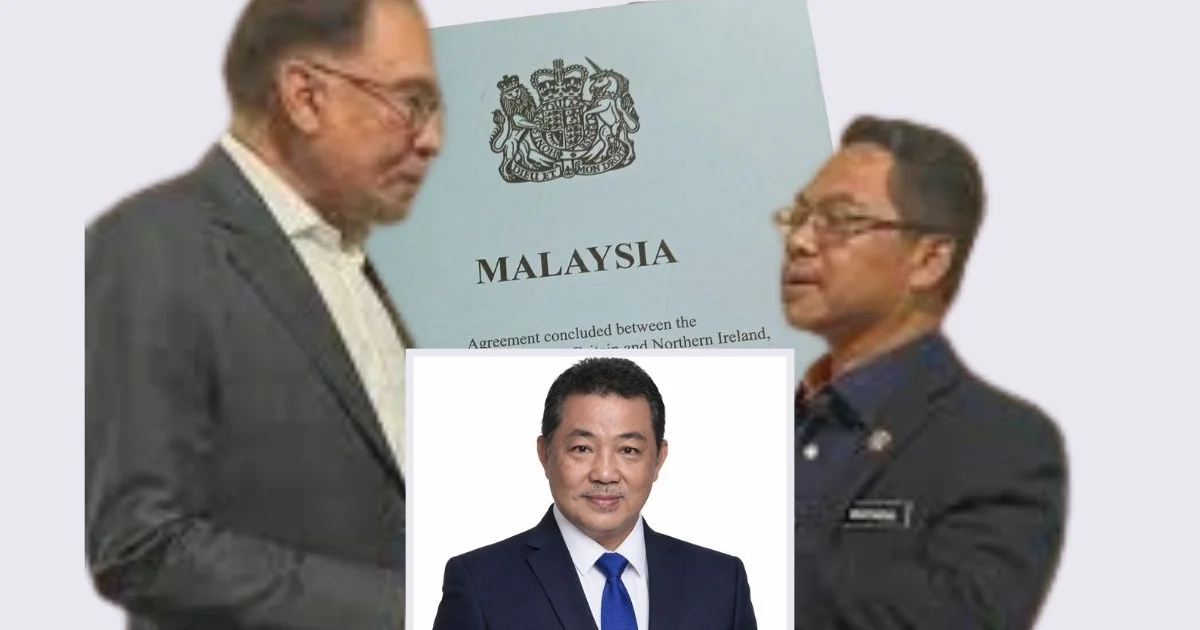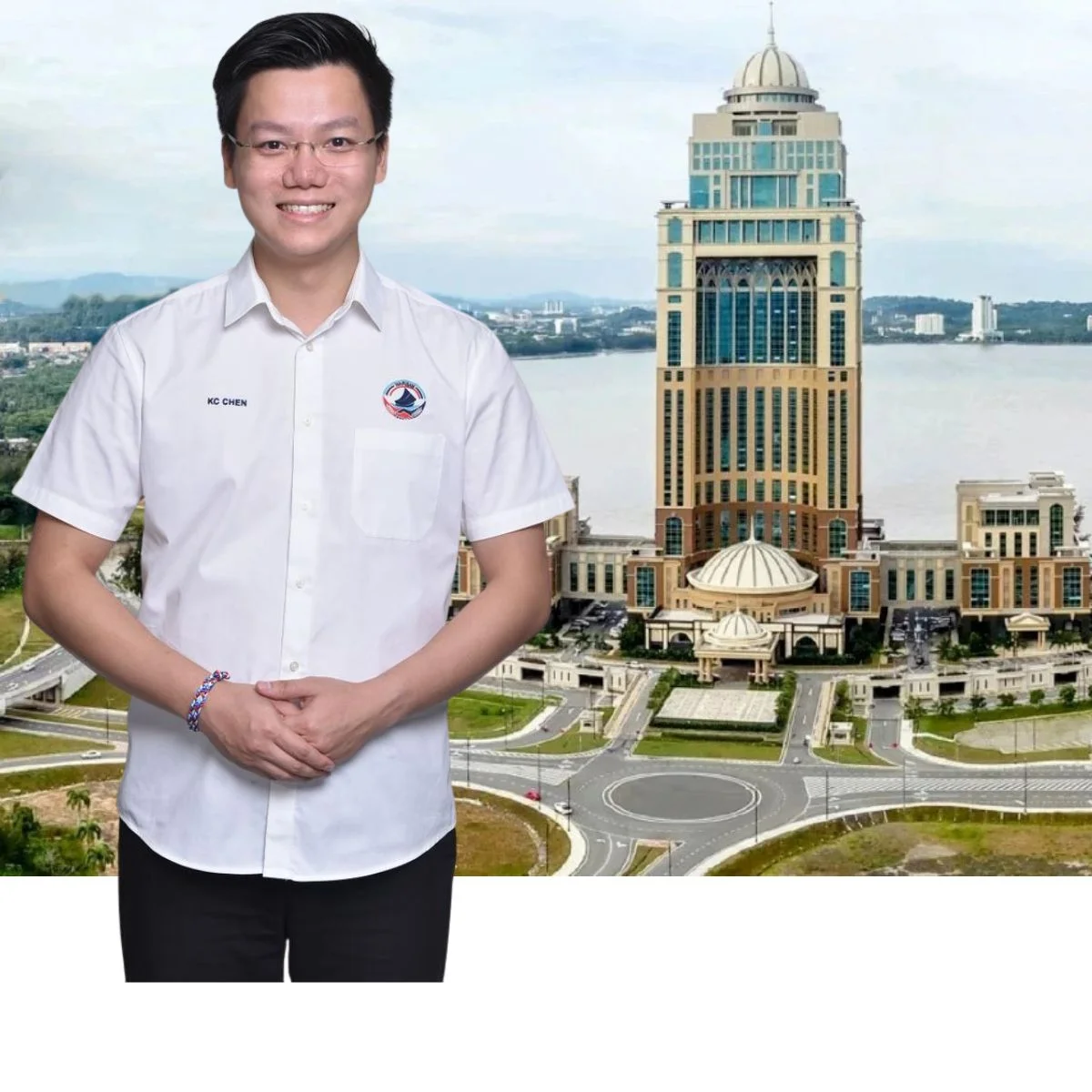
KOTA KINABALU: Chen Ket Chuin @ KC took note of repeated statements by GRS leaders including Datuk Seri Hajiji Noor, Datuk Seri Masidi Manjun, Datuk Armizan Mohd Ali and Datuk Joniston Bangkuai who continue to use the narrative of “commitment”, “support” and “ongoing negotiations” regarding Sabah’s claim to its 40% net revenue entitlement.
According to him, despite numerous statements being issued, one thing remains unchanged — the absence of a concrete implementation plan, a clear timeline and a mechanism that can be audited by the people of Sabah.
He said Datuk Seri Masidi Manjun himself had previously stated that Sabah’s estimated 40% entitlement for 2025 exceeds RM3 billion.
He said the acknowledgement was significant, but the key question is what steps the state government is taking to reclaim the amount.
According to him, if the amount for 2025 can be calculated, then the state government should also be able to provide calculations for 2022, 2023 and 2024 during the period when GRS itself governed Sabah.
He said that as the State Finance Minister, Masidi should possess sufficient data to determine the actual amount owed to Sabah for that period.
In the same statement, he also raised questions regarding the current status of Sabah’s 40% claim, which remains under court proceedings at the Court of Appeal while at the same time being described as “still under negotiation”.
According to him, the situation raises serious questions regarding the transparency and actual direction of the state government in defending Sabah’s rights.
He said the people of Sabah no longer need repeated statements from various leaders using similar political scripts.
Instead, he said the people want answers to several basic questions including what the government’s actual plan is, what negotiation structure is currently being carried out, what the actual claim amounts are for 2022 to 2025, and how the money will be recovered.
He also questioned what the government’s actual target is and when the resolution is expected to be achieved.
According to him, the issue today is no longer whether the government supports Sabah’s 40% rights because all Sabahans already support the claim.
Instead, he said the real question is what follow-up actions are being taken by the state government.
He stressed that merely repeating terms such as “we support” or “we are committed” no longer carries meaning if it is not accompanied by action, figures, mechanisms, timelines and clear outcomes.
He said until all these questions are answered openly and transparently, the term “commitment” will remain merely a political label without any real implementation substance.
At the same time, he explained that the Kapayan Motion was filed not to add political rhetoric but to force transparency, open debate and end the culture of general statements without accountable action plans.
However, according to him, the rejection of the motion only strengthens the perception that the state government is unwilling to allow open debate regarding the implementation of Sabah’s 40% rights in the Sabah State Legislative Assembly.
He stressed that Sabah’s 40% rights issue is not a political slogan but a constitutional matter that requires real implementation rather than repeated media statements.
He said the people of Sabah deserve more than political statements because they deserve plans, actions and tangible results.